Creative: Team Player or a Lone Wolf ?
Senior leaders are too savvy to fall for this any more, but an old Military Staff Officer trick was to try and shape your future work-load by briefing Options A and C. Inevitably the Command would select bits from both, which would allow you to work with your preferred Option B.
Guess where I’m going with the question in the title then.
I’ve got a Military background yes, but I now run a freelance creative business and this contrast of careers can often take people by surprise. There’s more similarities than you might think though.
It’s probably time to do away with how we stereotype people working in Creative Industries and the Military. We all work with constraints, we all work with people and we all want to achieve goals and get to the end of something in one piece.
I thought it would be useful to compare some approaches to Military and Creative work to show these similarities.

Do Creatives Belong In The Military ?
The Royal Marines exemplify how to balance innovative thought and adherence to doctrine. As a smaller organisation than the Army with a more specialised role, its approach to leadership leans on being collaborative, supportive and is tailored to empower individuals. Collective movement towards challenging goals is driven by shared values and clear boundaries.
The Commando Ethos thrives within a command structure which, whilst rigid, feels quite informal. Don’t get me wrong, it’s far from loose and it’s certainly not committee led. Central to the ethos is mutual respect and Officers never expect a Marine to do anything they’re not prepared to do.
It’s why RM Officers complete basic training alongside the recruits, (though all physical tests demand shorter completion times). This leads to a strong sense of cohesion, common shared values and mutual respect.
I had the privilege to work with these guys and remember moments when troops were under immense strain. There was a need for quick, decisive action, but what followed wasn’t a Commander being left to make a call. It was a short, slightly heated debate, followed by the Commander making a well informed decision.
Experience meant you had a voice, but professionalism and a sense of common purpose told you that mission completion trumped ego and individual preference.
The stakes are sometimes high in Military situations but ultimately you’re often just dealing with a task that requires completion. There are constraints, sometimes physical, sometimes financial, sometimes unknown.
Working within a hierarchy shouldn’t stifle innovation. What’s needed is a clear definition of your role within it, how you can help and what the ultimate goal is.

Does Military Teamwork Translate To Creative Work ?
Leadership in Creative Industries balances nurturing innovation with commercial constraints. The best outcomes are achieved through collaboration. As with the Military example, trust and having a shared vision are what deliver the best results.
Those in charge have a lightness of touch, acting as facilitators who foster rather than dictate. Creativity is allowed space to breathe by creating optimal environments and like the Military, there’s an appetite for calculated risk and experimentation.
Creative leaders empower teams through clear communication and the nurturing of a cohesive sense of shared goals. Opportunities for growth are nurtured with mentorship that ensures every voice is heard.
We’ve all seen those group photographs on set. You don’t need a uniform to forge a collective identity and those smiles say everything.
Comparing Military and Creative Industry Approaches to Work
The parallels between these two examples seem obvious to me. Teams are made up of individual people, each with their own catalogue of experience and unique offerings.
Having a view based on experience, not just seniority is the mark of a well functioning organisation; one that probably moves forward quickly.

Is It Better To Be A Lone Wolf or a Team Player ?
There were times in my Military Career when I had to be strong team player and there were times when the leash was lengthened. I’d say the most successful periods for me were the ones where I had a degree of autonomy, but that’s not for everyone.
It’s not to say I wasn’t a team player, I just think that we enjoy working more in one way than another.
I served for 30 years and even managed to get up the greasy pole a bit, but there’s no way I could have achieved that if I was just a Team Player, or just a Lone Wolf.
I’ve worked in the creative space for 8 years now and would have got no-where if I took a relaxed attitude towards deadlines, watched someone else drop a ball and stayed silent, or not stopped to consider my role in the wider production effort.
Do You Need To Be A Team Player or a Lone Wolf ?
In the modern job market, Option B says that you need to be both a team player and a lone wolf.

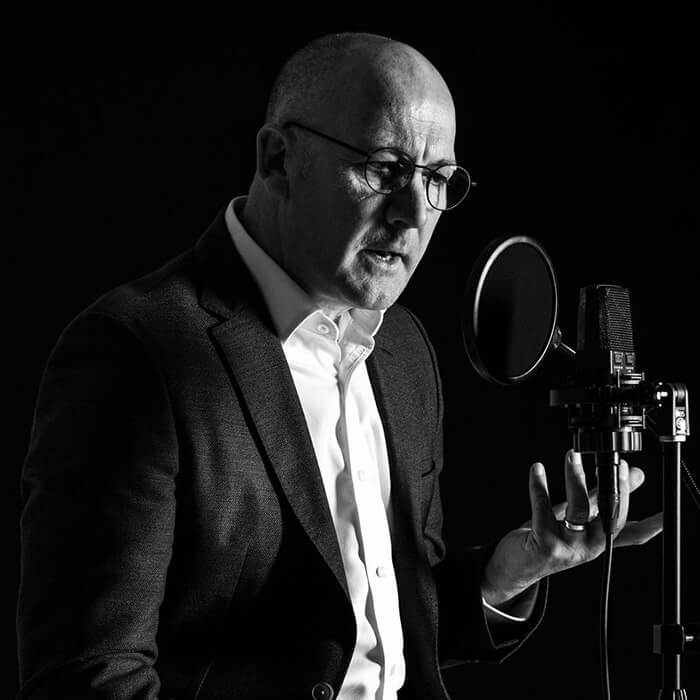
About James Fowler Voiceover
James is an experienced British Voice Artist with a passion for characters, audiobooks, audioguides and getting stuff done. He’s narrating around 60 book titles, provided the audioguide for the Houses of Parliament and Hampton Court Palace, voiced numerous AAA Game titles and has promoted everything from Romanian Apple Pie to Luxury Apartments.
Reach out if you have a project that needs quality audio, a solid work ethic and a commitment to client satisfaction.